
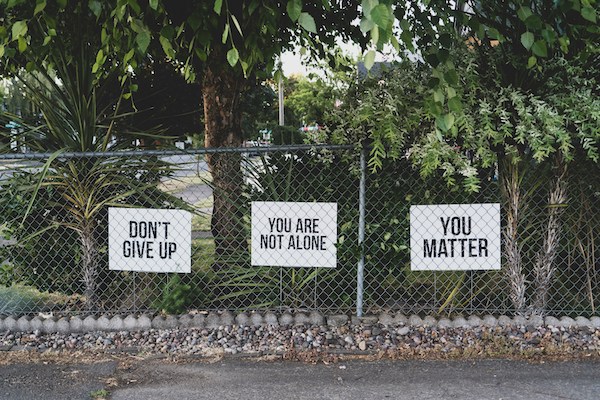
 Every year, September’s National Suicide Prevention Month gives us the opportunity to shine a light on an issue that touches countless lives. Suicide does not just affect one person; it impact families, friends, and entire communities. Even though this topic can feel heavy and we might want to avoid talking about it, this month serves as a important reminder that awareness, education, and connection can make a difference.
One of the most powerful tools we have as a community is connection. Loneliness and isolation can make struggles with mental health even harder. Whether it’s checking in with a friend, welcoming a new neighbor, or building supportive workplaces and schools, small acts of inclusion can make a big difference. Suicide prevention is as much about strengthening relationships as it is about professional treatment.
Prevention also involves normalizing psychiatric concerns. When conversations about mental health are avoided, people may believe they need to hide their struggles. The more we make these conversations an everyday part of life, the more likely people are to reach out and seek support. The same goes for conversations about suicide. Talking about suicide doesn’t make people choose to end their lives. In fact, these kinds of conversations can be life-saving. Communities can also play a key role in reducing stigma. Many times, people avoid asking for help because they worry about being judged or misunderstood. Schools, workplaces, and organizations that openly talk about mental health and wellness send the message that it’s okay to ask for support. Hosting educational events, posting resources, or inviting speakers are examples of how communities can normalize mental health conversations.
Sharing information and resources is critical to the prevention of suicide in communities. Not everyone knows where to turn when they or their loved ones are in crisis. Displaying hotline numbers, promoting local support groups, and sharing information about counseling services can increase access to help. Sometimes even small actions like sharing resources on social media or starting a conversation can make a difference.
Here are some small but meaningful steps we can take as a community
- Start the conversation: Asking, “How are you really doing?” opens the door for honesty. Listening with care and without judgment can have a significant positive impact.
- Share resources: Many people don’t know what’s available. Posting or passing along crisis lines, therapy options, or support groups makes help easier to find.
- Create safe spaces: No matter the setting, creating a safe environment where people feel accepted encourages them to turn to one another for support.
- Check in often: Even simple gestures, like sending a text, inviting someone for coffee, or remembering important dates, can remind someone that they matter.
- Support local efforts: It might seem like a small gesture but showing up at local events such as suicide prevention walks, volunteering, etc. can strengthen the community.
Suicide prevention requires an all hands on deck approach. Unfortunately, many therapists are afraid to work with folks who are suicidal and end up calling the police to hospitalize someone at the mere mention of suicidal thinking. Unfortunately, this approach often backfires, resulting in a traumatic experience for the client that, in many cases, leads to severing of the therapeutic relationship. Thankfully, there is a more effective way to address suicidal concerns. Gatewell Therapy Center is proud to offer DBT , an evidence-based treatment for suicidality One of the most significant benefits of DBT is that it aims to keep people out of the hospital, offering skills and support while avoiding the treatment trauma that can result from an inpatient hospital admission.
If you or someone you know is going through a difficult time, please remember that despite what you’re currently thinking and experiencing, the world is not better off without you. Coping with suicidal urges often involves riding out distressing waves of depression, shame, and regret, but these experiences won’t last forever. There are resources to support you, even if treatment is inaccessible. The 988 Suicide & Crisis Lifeline is available 24/7 by call or text, and the Crisis Text Line connects you with a trained counselor when you text HOME to 741741. You don’t have to face this alone; help and hope are closer than you may think.
-Written by Emily Wolman, Gatewell Therapy Center’s graduate practicum student