
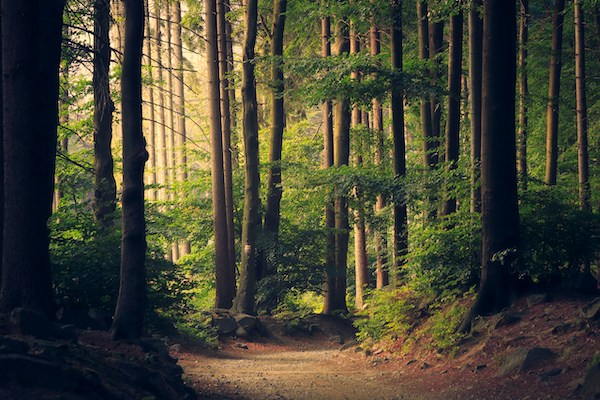
 Ecopsychology is a multidisciplinary field that explores the connection between human psychology and the natural environment. The study of ecopsychology emphasizes the benefits of engaging with nature, with research supporting both physiological and psychological benefits. As knowledge within this field continues to grow, we can see how ecopsychology can have a large impact on mental health and mental health counseling.
Despite being an emerging field, the concept of ecopsychology can be seen throughout the work of early psychologists such as Carl Jung. Jung, the founder of analytical psychology, was heavily invested in the exploration of the human psyche and its connection to nature. Jung suggested that humans share universal archetypes and symbols, many of which are rooted in nature, such as trees, rivers, and animals. Additionally, Jung placed a large emphasis on the process of individuation, or self-realization and growth, in which he believed nature played an invaluable role. Jung believed that nature served as a mirror for each individual, helping us gain insights and process our emotions. Furthermore, Jung’s concept of the shadow – the hidden, repressed parts of the self – has been deeply influential in ecopsychology. Within this framework, humanity’s disconnection from and exploitation of the natural world is seen as a kind of collective shadow, a reflection of what we’ve denied or ignored within ourselves. By bringing this shadow into awareness, ecopsychology offers a path toward healing not just the individual, but our relationship with the Earth. Jung’s ideas laid the groundwork for this perspective, shifting the view of nature from a passive backdrop in our lives to an active, essential force in our psychological well-being.
Furthering Jung’s exploration of the human psyche and nature came the work of Richard Louv and his concept of Nature-Deficit Disorder. Nature-Deficit Disorder focuses on the mental health consequences of separating from nature, emphasizing how the lack of direct interaction with nature contributes to conditions such as depression, anxiety, burnout, and chronic stress. Research supports this concept, indicating that exposure to nature has a direct impact on our physical and mental functioning, boosting attention span, improving concentration, and reducing cortisol levels (related to stress) compared to time spent in urban environments. Research shows that even brief exposure to nature can encourage nervous system regulation. Much of the work around trauma healing, for instance, involves the goal of nervous system regulation.
With evidence piling up in support of the physiological and psychological benefits of human engagement with nature, it seemed valuable to transfer this knowledge into the therapeutic setting – this is where ecotherapy comes in. Ecotherapy is a form of therapy that integrates direct contact with nature into the psychological healing process. This is done through nature-based experiences, such as guided nature walks, outdoor mindfulness exercises, horticultural therapy (gardening therapy), and even wilderness retreats. These nature-based experiences create space for individuals to process emotions, work through trauma, and reconnect with parts of themselves that might feel lost or disconnected.
This approach utilizes the clarity and calmness that nature has to offer, acting as a powerful therapeutic tool that can reduce psychiatric symptoms and foster emotional resilience. At its core, ecotherapy encourages reconnection with the earth as a way to restore inner balance, improve mental health, and promote a deeper sense of belonging in the world. Healing, from this viewpoint, is as much about mending our relationship with nature as it is about personal growth.
With this in mind, ecotherapy doesn’t need to be the central focus of therapy to make a meaningful impact. Counselors who use a variety of approaches can still incorporate nature-based practices as a supportive tool in their work. Here are a few ways counselors can integrate ecotherapy into their practices:
- Giving homework assignments to clients such as journaling outdoors, gardening, or spending increased time in nature
- Encouraging clients who are distant from nature to create mimicking experiences (e.g., watching nature scenes and listening to nature sounds online, buying houseplants, choosing blues and greens for home decor)
- Providing talk therapy in a natural setting (e.g., nature walk, sitting outside)
- Incorporating nature in the office space with a variety of plants or nature-based art
- Offering psychoeducation regarding the benefits of ecopsychology and ecotherapy
As we continue to face rising mental health challenges and increasing disconnection from the natural world, the insights of ecopsychology offer a refreshing shift in perspective. By recognizing the deep-rooted bond between humans and nature, ecopsychology and ecotherapy invite both counselors and clients to explore healing in a more holistic, grounded way. Whether it’s through a simple walk in the woods, incorporating natural elements into the therapy room, or encouraging clients to engage with the outdoors, even small steps can have a meaningful impact.
-by Lily Decker, Gatewell Graduate Practicum Student